
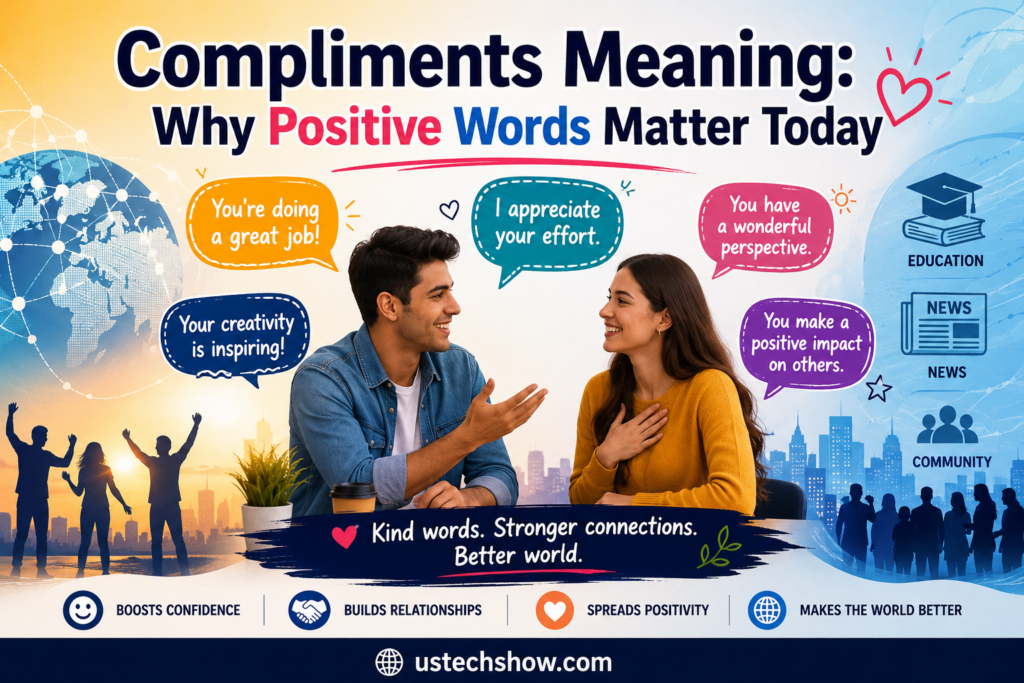

In today’s fast-moving and often disconnected world, simple words of appreciation can make a real difference in how people feel and connect with each other. Compliments are more than polite phrases; they reflect attention, respect, and genuine recognition of someone’s efforts, personality, or achievements. When spoken sincerely, they help reduce negativity and bring warmth into everyday interactions. People naturally respond to kindness, and even a small positive remark can shift someone’s mood or confidence in a meaningful way. Whether shared in personal conversations, workplaces, or online spaces, thoughtful words encourage trust and stronger relationships. They also remind us to notice the good in others instead of focusing only on flaws. Over time, this habit of appreciating others helps create a more supportive, respectful, and emotionally healthy environment for everyone involved.
What Does Compliments Mean?
A compliment is a polite expression of praise or admiration towards someone regarding their qualities, achievements or actions.
They certainly help to make us and them feel good!
To give a genuine compliment is to bolster another’s confidence and scatter sunbeams in the everyday.
Why Compliments Are Important in Daily Life
Compliments lead to a positive outcome and make a person feel thankful and appreciated.
They’re part of relationships; they build trust and facilitate communication flows.
Happy messages also inspire people to send positive messages and become friendlier.
How Positive Words Affect Human Emotions
Positive words make us feel uplifted, reassured and emotionally at ease.
A little positivity, praise and gratitude can go a long way.
They also connect us with people and provide a brighter view of life.
Different Types of Compliments Explained
A work or performance can be praised in speech or writing, and it may be done immediately or called back, face-to-face or otherwise. They range from someone’s appearance to their personality to their skills or accomplishments in some way. Every type has a positive influence on mood, confidence, and social connection.
The Role of Compliments in Healthy Relationships
Compliments help build stronger relationships because they convey gratitude and respect.
They create more trust, emotional bonding and positive communication.
Whether at work or in life, we are more likely to have those people feel valued and cared for if we talk to them with kindness.
How Compliments Build Confidence and Self-Esteem
Compliments make people feel good about themselves and make them feel like they have value.
They direct attention to the person’s own strengths and promote helpful self-related beliefs.
Common Mistakes People Make When Giving Compliments
Undernourished or over-rich comments may give us the impression that they are less real or have less effect.
A bunch of people just look at the appearances, instead of the talent or the work.
The time, mode or attitude of the body can also extenuate the force of a compliment.
Real-Life Examples of Meaningful Compliments
Significant compliments can motivate, raise spirits and strengthen bonds among individuals.
Teasing a person’s creativity, effort or the kind of person they are makes them feel valued and appreciated.
It’s wonderful how even the simplest of kind words can have a positive effect on people for a long time.
Why Genuine Compliments Matter More Today
True compliments are a ray of light in a fractured world. They help people feel noticed, appreciated, and listened to, particularly in this era of social media, where validation is often elusive. Real language generates trust and makes the communication feel real. A tiny heartfelt compliment can brighten someone’s day and inspire them to pass on that kindness – it’s a beautiful ripple effect to keep encouraging day in and day out.
Conclusion
A compliment is just a few words, but those few words can be powerful. They don’t just thank a person; they foster a positive environment and enhance social ties. In a hectic, dark world, “real” complimenting can brighten someone’s day and inspire them to share that good feeling even more. When well considered and genuinely delivered, compliments bring people together and raise the self-assurance of both the receiver and the giver.
FAQs
What is the simple meaning of a compliment?
A compliment is a kind and positive statement that shows admiration, appreciation, or respect for someone’s qualities, actions, or achievements.
Why are compliments important in daily life?
Compliments help people feel valued and respected. They improve relationships, build trust, and create a more positive and friendly environment.
How do compliments affect a person emotionally?
Compliments boost happiness, confidence, and emotional well-being. Even small kind words can improve someone’s mood instantly.
What makes a compliment meaningful?
A meaningful compliment is honest, specific, and sincere. It focuses on real qualities or efforts instead of general or fake praise.
Can compliments improve relationships?
Yes, compliments strengthen relationships by increasing trust, emotional connection, and better communication between people.
What mistakes should be avoided when giving compliments?
Avoid fake, vague, or overly exaggerated compliments. Also, don’t focus only on appearance—appreciating effort and character is more impactful.
Why are genuine compliments more important today?
In today’s digital and busy world, genuine compliments help people feel seen and valued. They spread positivity and encourage kindness in society.