
Introduction
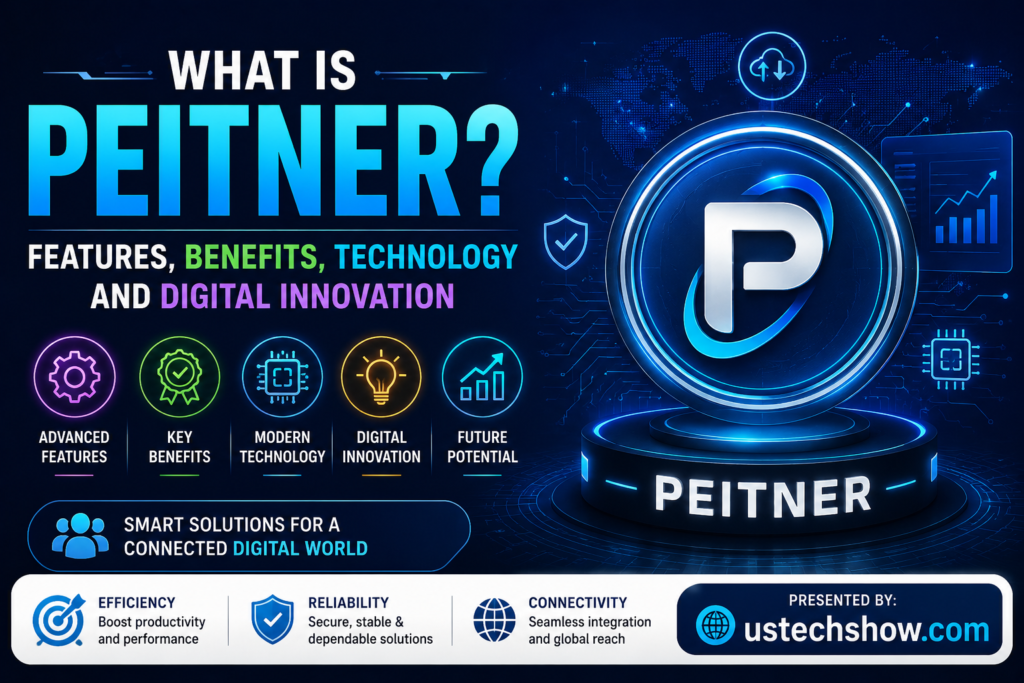
In today’s rapidly evolving digital world, new concepts and technologies continue to emerge, shaping the way organizations operate and innovate. One such term gaining attention is Peitner. Although the concept is still developing in many discussions, Peitner is increasingly associated with digital transformation, smart technology integration, automation, and innovative business processes.
It represents a modern approach to improving efficiency, enhancing user experiences, and supporting technological advancement across industries.
As organizations seek scalable and intelligent solutions, Peitner is becoming a topic of interest for businesses, technology professionals, and digital innovators looking to remain competitive in an increasingly connected environment.
Core Meaning of Peitner
Peitner can be understood as a modern digital framework or concept focused on improving technological efficiency, connectivity, and innovation. It combines advanced digital processes with intelligent systems to create more streamlined operations.
The idea behind Peitner centers on enabling organizations to adapt to changing technological demands while maintaining flexibility and scalability.
Rather than being limited to a single application, Peitner represents a broader approach that supports digital growth, automation, and smart decision-making.
The Digital Concept Behind Peitner
The digital concept of Peitner revolves around creating interconnected systems that work together efficiently. In modern digital environments, organizations rely on multiple technologies to manage operations, analyze data, and deliver services.
Peitner emphasizes:
- Digital connectivity
- Data-driven decision making
- Automation of routine tasks
- Improved communication between systems
- Enhanced operational efficiency
This concept aligns with current digital transformation trends where businesses seek integrated solutions instead of isolated technologies.
How Peitner Is Evolving in Modern Technology
Technology evolves rapidly, and Peitner continues to adapt alongside these changes. Advances in artificial intelligence, cloud computing, machine learning, and data analytics are influencing its development.
Modern Peitner solutions increasingly focus on:
- Intelligent automation
- Real-time data processing
- Cloud-based infrastructure
- Scalable digital platforms
- Smart integration capabilities
As digital ecosystems become more complex, Peitner evolves to provide more efficient and adaptable solutions.
Key Features That Make Peitner Unique
Several characteristics help distinguish Peitner from conventional digital approaches.
Advanced Connectivity
Peitner supports seamless interaction between systems and technologies.
Scalability
Organizations can expand operations without significant infrastructure changes.
Automation Support
Routine processes can be automated to save time and resources.
Data Intelligence
Peitner encourages informed decision-making through analytics and insights.
Flexibility
The framework adapts to changing business needs and technological developments.
These features make Peitner appealing to organizations seeking long-term digital solutions.
The Main Purpose of Peitner Systems
The primary purpose of Peitner systems is to improve operational effectiveness while encouraging innovation. Businesses often face challenges related to efficiency, communication, and resource management.
Peitner addresses these challenges by:
- Simplifying workflows
- Improving data accessibility
- Enhancing collaboration
- Supporting digital transformation
- Increasing organizational agility
Ultimately, the goal is to help organizations achieve sustainable growth through technology.
Benefits of Using Peitner in Digital Environments
Organizations implementing Peitner can experience multiple benefits.
Improved Productivity
Automated processes reduce manual effort and increase efficiency.
Better Decision-Making
Access to real-time data helps organizations make informed choices.
Reduced Operational Costs
Optimized workflows minimize unnecessary expenses.
Enhanced Collaboration
Integrated systems improve communication across departments.
Increased Flexibility
Businesses can adapt more easily to market changes and technological advancements.
These advantages contribute to stronger organizational performance.
How Peitner Supports Innovation and Growth
Innovation is essential for long-term success. Peitner encourages innovation by providing the technological foundation needed to test new ideas and improve existing processes.
Organizations can use Peitner to:
- Develop new digital services
- Improve customer experiences
- Enhance product development
- Increase operational efficiency
- Explore emerging technologies
This innovation-driven approach creates opportunities for continuous growth and competitive advantage.
Technology Foundations Behind Peitner
The effectiveness of Peitner depends on several technological foundations.
Cloud Computing
Cloud platforms provide scalability and accessibility.
Artificial Intelligence
AI enables intelligent automation and predictive analysis.
Big Data Analytics
Data analysis supports informed business decisions.
Internet of Things (IoT)
Connected devices improve monitoring and operational visibility.
Cybersecurity Technologies
Security solutions help protect digital assets and sensitive information.
Together, these technologies create a strong foundation for Peitner implementation.
Why Peitner Is Attracting Online Attention
Interest in Peitner continues to grow due to increasing digital transformation initiatives worldwide.
Several factors contribute to this attention:
- Growing demand for automation
- Rising adoption of smart technologies
- Need for operational efficiency
- Increased focus on innovation
- Expansion of digital business models
As organizations seek competitive advantages, concepts like Peitner naturally attract interest among business leaders and technology professionals.
Practical Applications of Peitner Across Industries
Peitner has potential applications across numerous industries.
Healthcare
Supports data management, patient monitoring, and operational efficiency.
Finance
Enhances transaction processing and risk analysis.
Manufacturing
Improves automation and production management.
Education
Facilitates digital learning and administrative processes.
Retail
Optimizes customer experiences and inventory management.
The flexibility of Peitner allows organizations in different sectors to adapt its principles to their unique requirements.
The Role of Automation in Peitner Solutions
Automation is one of the most important elements associated with Peitner. Modern organizations often spend significant time handling repetitive tasks that consume resources and reduce productivity. Peitner addresses this issue by incorporating automation into everyday processes.
Automation within Peitner solutions can help organizations:
- Reduce manual workloads
- Improve process consistency
- Minimize human errors
- Accelerate task completion
- Increase overall productivity
For example, automated workflows can process data, generate reports, manage customer interactions, and support operational activities with minimal human intervention. This allows employees to focus on strategic and creative responsibilities rather than routine tasks.
How Peitner Enhances Digital Efficiency
Digital efficiency is essential in competitive business environments. Peitner enhances efficiency by streamlining operations and eliminating unnecessary complexity.
Key ways Peitner improves efficiency include:
Faster Information Processing
Integrated systems enable quicker access to relevant information.
Workflow Optimization
Processes are organized to reduce delays and improve outcomes.
Resource Management
Organizations can allocate resources more effectively.
Real-Time Monitoring
Managers gain immediate visibility into operations and performance.
Reduced Operational Bottlenecks
Connected systems help identify and resolve inefficiencies quickly.
As a result, organizations can operate more smoothly while improving service quality and customer satisfaction.
Security and Reliability Features of Peitner
Security remains a major concern in today’s digital landscape. Peitner emphasizes the protection of data, systems, and digital assets through modern security measures.
Common security and reliability features include:
Data Encryption
Sensitive information is protected during storage and transmission.
Access Control
User permissions help prevent unauthorized access.
System Monitoring
Continuous monitoring identifies potential threats and vulnerabilities.
Backup and Recovery
Reliable backup solutions minimize data loss risks.
Infrastructure Stability
Well-designed systems ensure consistent performance and availability.
By prioritizing security and reliability, Peitner helps organizations build trust while protecting critical operations.
Peitner and the Future of Smart Technology
Smart technology continues to transform industries worldwide. Peitner aligns closely with this trend by supporting intelligent systems capable of learning, adapting, and improving over time.
Future smart technology developments may involve:
- Advanced artificial intelligence
- Intelligent automation
- Predictive analytics
- Smart infrastructure
- Connected digital ecosystems
Peitner provides a framework that supports these innovations while helping organizations remain prepared for future technological changes.
Integration Capabilities Associated with Peitner
One of the strongest aspects of Peitner is its ability to integrate with multiple technologies and platforms. Modern organizations often rely on numerous software systems that must work together efficiently.
Peitner supports integration through:
API Connectivity
Systems can exchange information seamlessly.
Cloud-Based Integration
Data and applications remain accessible across locations.
Cross-Platform Compatibility
Different technologies can operate within a unified environment.
Data Synchronization
Information remains consistent across connected systems.
Scalable Architecture
Organizations can add new technologies without major disruptions.
Strong integration capabilities improve collaboration and operational efficiency.
How Businesses Can Benefit from Peitner
Businesses of all sizes can benefit from adopting Peitner principles and solutions.
Improved Operational Performance
Efficient systems support faster and more accurate operations.
Enhanced Customer Experience
Organizations can deliver more responsive services.
Better Data Utilization
Businesses gain valuable insights from collected information.
Increased Competitive Advantage
Modern technology helps organizations stay ahead of competitors.
Greater Innovation Capacity
Resources can be directed toward strategic growth initiatives.
These benefits contribute to stronger business performance and long-term success.
User Experience and Accessibility in Peitner
A successful digital solution must provide an excellent user experience. Peitner places significant emphasis on usability and accessibility.
Important user-focused characteristics include:
Intuitive Design
Interfaces should be easy to understand and navigate.
Accessibility Features
Systems should accommodate diverse user needs.
Responsive Performance
Applications must operate smoothly across devices.
Personalized Experiences
Users can access information and features relevant to their requirements.
Reduced Learning Curve
Simple interfaces help users adopt technology more quickly.
A positive user experience increases engagement, productivity, and satisfaction.
Common Challenges Related to Peitner Adoption
While Peitner offers many advantages, organizations may encounter challenges during implementation.
Initial Investment Costs
Technology upgrades often require financial resources.
Employee Training
Staff may need education and support to adapt to new systems.
Integration Complexity
Connecting existing technologies can be challenging.
Change Management
Organizations must effectively manage transitions and new processes.
Security Considerations
Digital expansion requires continuous attention to cybersecurity.
Understanding these challenges helps organizations develop effective adoption strategies.
Strategies for Maximizing Peitner Performance
Organizations can maximize Peitner performance through careful planning and execution.
Establish Clear Objectives
Define measurable goals before implementation.
Invest in Training
Provide employees with the knowledge needed to use new technologies.
Monitor Performance Metrics
Track results and identify opportunities for improvement.
Maintain Security Standards
Protect systems through proactive cybersecurity measures.
Encourage Innovation
Promote a culture that supports experimentation and improvement.
These strategies help organizations achieve better outcomes from their Peitner initiatives.
Peitner Compared with Traditional Digital Methods
Traditional digital methods often rely on isolated systems and manual processes. Peitner introduces a more connected and intelligent approach.
Traditional Methods
- Limited integration
- Higher manual involvement
- Slower information flow
- Reduced scalability
- Lower automation levels
Peitner Approach
- Connected digital ecosystems
- Advanced automation
- Real-time information access
- Greater scalability
- Improved adaptability
This comparison highlights why many organizations are exploring modern digital frameworks like Peitner.
The Growing Online Presence of Peitner
Online discussions about Peitner continue to expand as businesses and technology communities explore innovative digital concepts.
Several factors contribute to its growing visibility:
- Increased digital transformation efforts
- Rising interest in automation
- Expansion of cloud technologies
- Greater adoption of artificial intelligence
- Demand for efficient digital solutions
As awareness grows, Peitner is becoming a recognized topic within discussions about future technology and innovation.
Emerging Trends Influencing Peitner Development
Multiple trends are shaping the evolution of Peitner.
Artificial Intelligence Expansion
AI continues to enhance automation and decision-making.
Cloud-First Strategies
Organizations increasingly prioritize cloud-based operations.
Data-Driven Business Models
Analytics plays a larger role in strategic planning.
Smart Connectivity
Connected devices and systems improve operational visibility.
Sustainability Initiatives
Technology solutions are being designed with greater efficiency and environmental awareness.
These trends influence how Peitner evolves and adapts to future demands.
Why Modern Organizations Explore Peitner Solutions
Organizations face increasing pressure to innovate, improve efficiency, and remain competitive. Peitner offers a framework that addresses these objectives.
Businesses explore Peitner because it can help:
- Streamline operations
- Improve customer experiences
- Support digital transformation
- Enhance data utilization
- Enable long-term growth
Its flexibility and technology-driven approach make it relevant across a wide range of industries.
Future Opportunities Linked with Peitner Innovation
The future presents numerous opportunities for organizations that embrace Peitner principles.
Potential opportunities include:
Intelligent Business Operations
Automation and AI can create smarter workflows.
Advanced Analytics
Organizations can gain deeper insights from data.
Global Connectivity
Digital platforms enable broader collaboration and communication.
New Service Models
Businesses can develop innovative digital products and services.
Scalable Growth
Technology foundations support expansion without excessive complexity.
These opportunities position Peitner as a valuable concept for future-focused organizations.
Common Misconceptions About Peitner Explained
Several misconceptions can create confusion regarding Peitner.
Misconception 1: Peitner Is Only About Automation
While automation is important, Peitner also includes integration, innovation, security, and efficiency.
Misconception 2: Only Large Companies Can Use Peitner
Organizations of all sizes can benefit from modern digital solutions.
Misconception 3: Peitner Replaces Human Expertise
Peitner supports human decision-making rather than replacing it entirely.
Misconception 4: Implementation Is Always Complex
Many solutions can be introduced gradually based on organizational needs.
Understanding these misconceptions helps organizations evaluate Peitner more accurately.
How Peitner Reflects Digital Transformation Trends
Digital transformation focuses on using technology to improve operations, services, and customer experiences. Peitner reflects these goals through its emphasis on innovation, connectivity, and efficiency.
Key transformation characteristics associated with Peitner include:
- Smart automation
- Data-driven decision making
- Cloud integration
- Improved user experiences
- Continuous innovation
These qualities align closely with the priorities of modern digital organizations.
Final Words
Peitner represents an emerging digital concept that reflects many of the technologies and strategies shaping the future of business and innovation.
Through automation, integration, data intelligence, and scalable digital solutions, Peitner supports organizations seeking greater efficiency and long-term growth.
Its focus on connectivity, user experience, security, and innovation makes it relevant in an increasingly technology driven world.
As digital transformation continues across industries, Peitner is likely to remain an important topic for organizations exploring smarter, more adaptable, and future-ready approaches to technology adoption and business development.
(FAQs)
What is Peitner?
Peitner is a modern digital concept associated with innovation, automation, technology integration, and improved operational efficiency. It is often discussed as a framework that supports digital transformation and smart business solutions.
What are the main features of Peitner?
Key features of Peitner include automation capabilities, system integration, scalability, data-driven insights, enhanced security, and improved digital connectivity across platforms and processes.
How does Peitner support digital innovation?
Peitner supports digital innovation by enabling organizations to adopt advanced technologies, automate workflows, improve decision-making, and create more efficient digital environments.
What industries can benefit from Peitner?
Peitner can be applied across various industries, including healthcare, finance, education, manufacturing, retail, and technology sectors where efficiency and innovation are important.
Why is Peitner gaining popularity online?
Peitner is attracting attention because of the growing demand for automation, digital transformation, smart technologies, and scalable solutions that help organizations remain competitive.
How does Peitner improve business efficiency?
Peitner improves efficiency by streamlining workflows, reducing manual tasks, enhancing communication between systems, and providing faster access to valuable data and insights.
Is Peitner related to automation technology?
Yes, automation is one of the core components of Peitner. It helps organizations automate repetitive tasks, reduce errors, and increase productivity while supporting operational growth.
What challenges can arise when adopting Peitner?
Common challenges include implementation costs, employee training requirements, integration complexities, change management issues, and maintaining strong cybersecurity practices.
What is the future of Peitner in digital transformation?
The future of Peitner appears promising as organizations continue investing in artificial intelligence, cloud computing, automation, and smart technologies to improve innovation and business performance.
Conclusion
Peitner represents a forward-looking digital concept that combines innovation, automation, connectivity, and efficiency within modern technological environments.
As organizations continue to embrace digital transformation, solutions associated with Peitner offer valuable opportunities to streamline operations, improve decision-making, and enhance overall performance. Its focus on integration, scalability, security, and user experience makes it relevant across a wide range of industries.
While adoption may present certain challenges, the long-term benefits often outweigh the obstacles. As technology continues to evolve, Peitner is expected to play an increasingly important role in helping businesses and individuals adapt to the demands of a smarter and more connected digital future.