
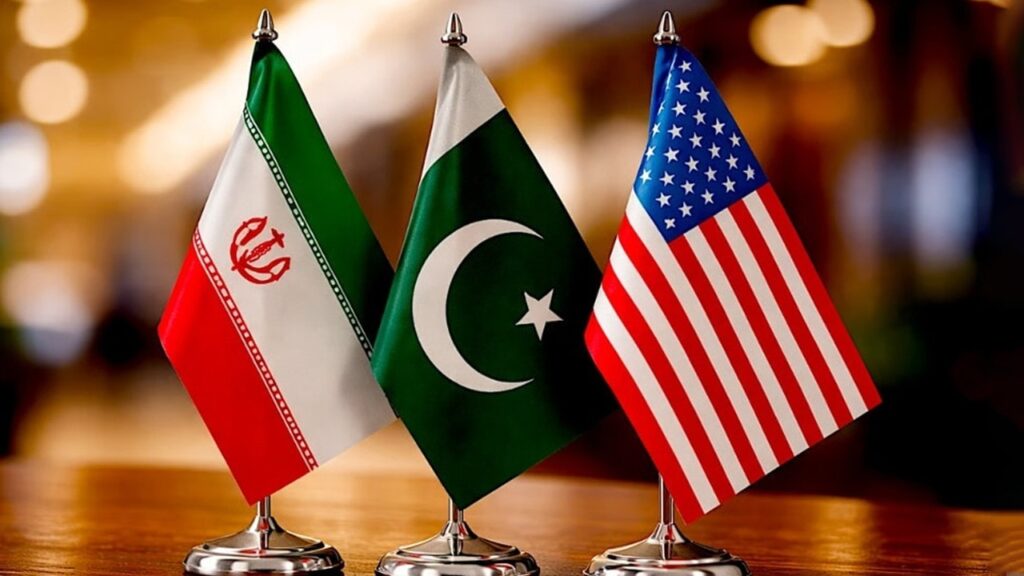

A memorable day for the world, in which Pakistan played a major role.
In a remarkable turn of events, Pakistan has emerged as a key diplomatic player in easing tensions between two long-standing rivals—the United States and Iran. After weeks of escalating conflict that threatened regional stability and global economic security, both nations agreed to a temporary ceasefire, marking a significant breakthrough in international diplomacy.
The conflict, which had intensified across the Middle East, disrupted vital trade routes, especially the Strait of Hormuz—a crucial channel for global oil supply. The situation raised fears of a wider war, prompting urgent calls for de-escalation from the international community. Amid this crisis, Pakistan stepped forward as a mediator, using its diplomatic channels to bring both sides closer to dialogue. (Reuters)
Pakistan’s leadership, including Prime Minister Shehbaz Sharif, played a crucial role in facilitating negotiations. Through continuous communication with both Washington and Tehran, Pakistan proposed a structured ceasefire plan aimed at halting hostilities and opening the door for long-term peace talks. This initiative, often referred to as the “Islamabad Accord,” emphasized a phased approach—first, an immediate ceasefire, followed by detailed negotiations. (Pakistan Today)
The breakthrough came when both the United States and Iran agreed to a two-week ceasefire. As part of the agreement, Iran committed to ensuring safe passage through the Strait of Hormuz, while the United States paused its planned military actions. This agreement not only reduced immediate tensions but also stabilized global energy markets, which had been under pressure due to the conflict. (Reuters)
Pakistan’s role went beyond simple mediation. It acted as a trusted intermediary, maintaining communication between both sides even when direct talks were not possible. Diplomatic sources revealed that Pakistani officials were in constant contact with key stakeholders, ensuring that misunderstandings were minimized and progress was maintained. (Pakistan Today)
The ceasefire has been widely welcomed across the world as a positive step toward peace. Global markets responded favorably, with oil prices stabilizing and investor confidence improving. Many international leaders praised Pakistan’s diplomatic efforts, recognizing the country’s ability to influence major geopolitical developments.
However, experts caution that this ceasefire is only a temporary measure. The underlying issues between the United States and Iran—including nuclear concerns, regional influence, and security disputes—remain unresolved. The upcoming negotiations in Islamabad are expected to play a critical role in determining whether this ceasefire can lead to a lasting peace agreement. (The Guardian)
Despite these challenges, Pakistan’s success in brokering this agreement highlights its growing importance on the global stage. By facilitating dialogue and promoting peaceful solutions, Pakistan has demonstrated its commitment to regional stability and international cooperation.
In conclusion, the Iran-US ceasefire represents a historic diplomatic achievement, with Pakistan at its center. While the path to permanent peace may still be uncertain, this development offers hope for a more stable future. If sustained, these efforts could redefine Pakistan’s role in global diplomacy and contribute significantly to long-term peace in the Middle East.
How Pakistan Brokered a Two-Week Ceasefire Deal Between Iran and the US
Pakistan played a crucial diplomatic role in brokering a two-week ceasefire between the United States and Iran, helping to ease rising tensions that had brought the region close to a major conflict. The agreement came after weeks of intense fighting and threats of further escalation, which had also disrupted global energy supplies and increased fears of a wider war.
The process began when Pakistan stepped in as a neutral mediator, using its strong diplomatic ties with both Washington and Tehran. Pakistani leadership, including Prime Minister Shehbaz Sharif and military officials, maintained continuous communication with both sides. They proposed a structured plan that focused on an immediate ceasefire followed by further negotiations for a long-term solution.
Pakistan’s approach was based on a two-phase strategy. The first phase aimed to stop hostilities immediately, while the second phase focused on resolving deeper issues through dialogue. This plan, often referred to as a framework for peace, was shared with both countries and helped create a foundation for agreement.
One of the key elements of the deal was the reopening of the Strait of Hormuz, a critical route for global oil shipments. Iran agreed to allow safe passage through the strait during the ceasefire period, while the United States paused its planned military actions.
Pakistan also acted as a communication bridge when direct talks between the US and Iran were difficult. By relaying messages, clarifying concerns, and adjusting negotiation terms, Pakistan helped both sides move closer to agreement.
The result was a two-week ceasefire that provided a window for further negotiations and reduced immediate tensions. While the agreement is temporary, Pakistan’s successful mediation highlights its growing importance in global diplomacy and its ability to contribute to peace in complex international conflicts.